








How to Become an Online Casino Live Dealer


Working as a live casino dealer is one of the entry-level jobs you can take to get a foothold in the online gambling industry. To be hired as a live dealer, you don’t need any preexisting skills, as game studios provide complete on-the-job training.
The main tasks you’ll have are to run games like blackjack, roulette, and baccarat on a live stream, while interacting with players in real time. In this article, we’ll explain what live dealers do and the skills and training required. We’ll also tell you about practical considerations, like shift work, relocation, and career progression.
What Does a Live Casino Dealer Do?
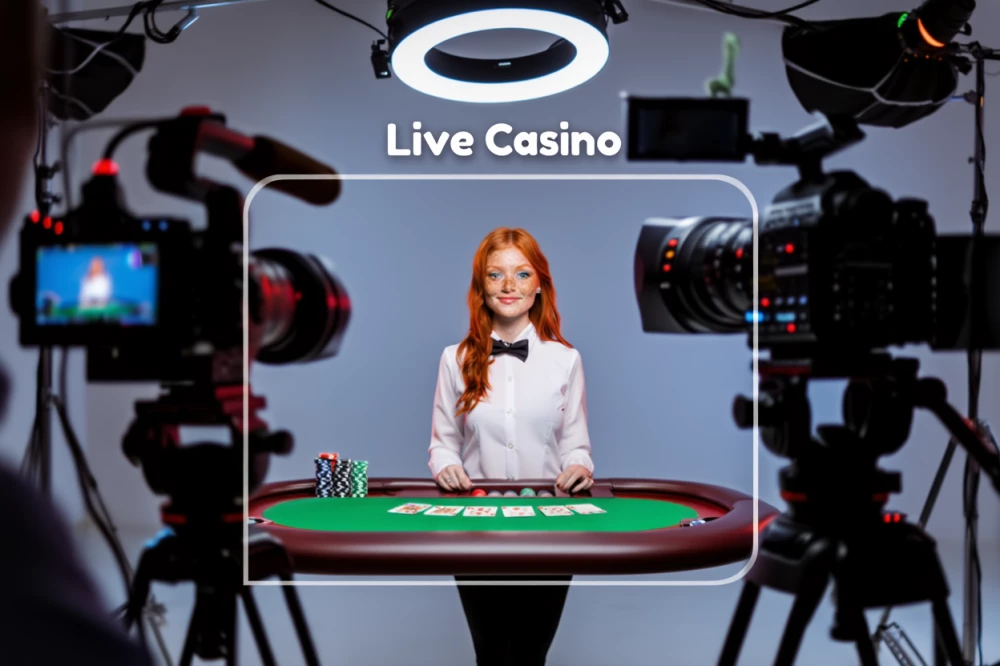
If you become a live dealer, your main job is to run live casino games in real time, via a video stream. You’ll handle the game equipment, like dealing cards, spinning wheels, or managing whatever device the game uses. There are clear instructions and rules you must follow for each match, so accuracy is key.
While managing the flow of the game, you’ll be interacting with players. When new players enter your “room”, you might explain game rules and how to bet, and you’ll also inform the players when betting closes and when the result is final. This is much like being a dealer at a land-based casino. However, you won’t have to deal with betas and wagering, as this is tracked automatically by the software.
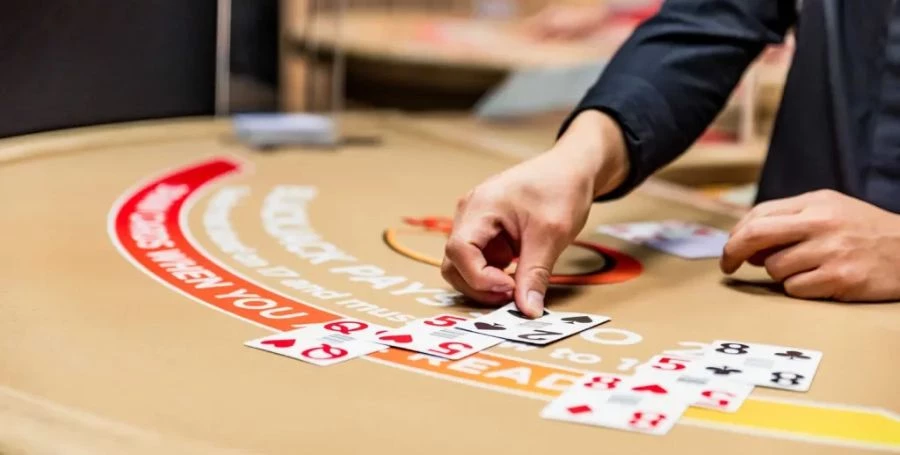
Being a live dealer might sound easier than it is, as you must handle cards and equipment while keeping a steady pace. At all times, the studio’s procedures for shuffles and hand motions must be adhered to. You also keep an eye out for technical issues or unusual activity. If players report in the in-game chat that there are issues, you can report them or inform the player about how the issue can be resolved.
In addition to all of the casino and game-related tasks, an important part of this role is to interact with players. You should be making it an enjoyable experience to play at your table, so small talk is expected. However, how “entertaining” you’re expected to be depends on the game you’re hosting. Game shows require more continuous chatter than, for example, baccarat or blackjack.
Basic Requirements and Eligibility
Even though a live dealer role is considered to be an entry-level position, it doesn’t mean that there are no requirements. You need to meet legal standards, possibly pass basic screening, and show that you are comfortable communicating in front of a camera. Each game studio might have its own set of rules and requirements, but some of the basics will be covered here.
Legal Age and Background Checks
To work as a live dealer, you must be of legal gambling age in the country or jurisdiction where you’ll be working from. In most cases, this means you’ll have to be at least 18, but in some countries the age limit is 20 or 21.
Some game studios also run background checks to confirm that you do not have any issues that could affect your suitability for handling real-money games. This process often includes employment history checks and, in some jurisdictions, a basic criminal record check. The requirements for this often depend on which gambling licence the studio is operating under.
Language Skills
To be a live dealer, you must be able to communicate in a clear manner. It will be essential that you speak English, but any additional language skills will also be appreciated, as many software game studios offer tables and games in other languages. Even though a fluency in English or other languages is required, you won’t have to worry about the specific game and casino terminology, as this is something you’ll learn during your training.
On-Camera Presence
A steady, professional on-camera appearance is very important. You should be comfortable being watched by players throughout the session. You must also be able to maintain a neutral expression, stay composed no matter what players write in the chat (although it is moderated), and present the game in a clear and organised manner. Additionally, you should be comfortable in the outfits required for each game. For women, this can often be rather tight and revealing dresses.

Training and Certification Process
If you get hired as a live dealer, you’ll receive thorough training before you host your first game. You’ll be taught the game rules, how to present yourself, which hand movements you must do in different stages of the game, and also what to say and what not to say. Typically, when you get started, you’ll have a trainer there with you, just off camera, so you have someone to ask if you are uncertain of what to do.
Game-Specific Training
One of the first things you need to learn is the rules of the games you’ll be hosting. You’ll be shown how to handle the equipment, manage the pace, and carry out each action in the correct order. Some studios train you in multiple games from the get-go, while others start with an easy one, like roulette, before letting you proceed to more complicated or tasking games, like blackjack or game shows.
Responsible Gambling
Most gambling authorities that license live casino studios require that all staff are fully trained in responsible gambling standards. This typically goes for all employees, but there is an extra emphasis on this for staff with direct player interactions. You’ll learn how to recognise signs of gambling problems, how to follow the studio’s guidelines on player interactions, and when and where to escalate issues.
Common Games You Might Deal With
Most game studios offer multiple types of games, so you’ll most likely be working on different game types. Of course, you need to know all the game rules by heart, but you must also be able to adapt to the tone, theme, and style of the game. Let’s have a look at the difference between the two major game types, namely table games and game shows.
Dealing at Table Games
Table games follow fixed rules and require precise handling. Blackjack, roulette, and baccarat are the most common table games, but there are also many other card and dice games. And, each of them can have different versions with slight variations to the rules. You deal cards, spin wheels, or manage chips or sensors depending on the setup. Each round must follow the studio’s set procedure, and you announce every stage so players can track the action on the stream. Table games rely heavily on timing, accuracy, and clear communication.
Hosting Game Shows
Game shows use custom equipment and a more structured presentation style. You might spin a large wheel, operate a game device, or trigger bonus features according to the studio’s instructions. These formats are faster and often include multiple stages within a round. Your role is to guide players through each part while keeping the pace steady and following the on-screen prompts that control the game flow. And, these games are made to be entertaining, so you must either tell little anecdotes or stories, or in another way keep the conversation going with the in-game chat. In some games, you and a co-host will be working as a pair.

Where You Can Work as a Live Dealer
Live dealers are typically employed directly by game studios. They have custom-made studios emulating casino environments or TV shows, and you’re always working at their location. Although some tables might not be available 24/7, the live studio is an around-the-clock operation. Online casinos never close for the evening, so you can be scheduled to work at any time of the day or night. As for exactly where you’ll be working from, this is something we’ll dive into next.
Locations Around the World
Live casino studios can be found in several countries and continents. The choice of location depends on licensing, local workforce availability, and operational costs. If you’re living in Ireland, you’ll need to relocate, as there are no live studios operating in Ireland. This can be a great opportunity to live and work abroad. And, since many of the game providers have multiple studios, you can also apply to be reassigned to another location when you feel like trying out a new country.
| Game Studio | Studio Locations | Recruitment Page |
| Evolution | Latvia, Malta, Georgia, Belgium, Lithuania, Romania, Spain, Bulgaria, Czechia, Armenia, USA (NJ, PA, MI, CT), Canada, Argentina, Colombia | https://careers.evolution.com/ |
| Pragmatic Play | Romania, Bulgaria, Serbia, Canada, Colombia | https://pragmaticplaycareers.com/ |
| Playtech | Latvia, Romania, Spain, Philippines, USA (MI, NJ, PA), Peru | https://www.playtechpeople.com/jobs-our/ |
| ICONIC21 | Ukraine (Kyiv), Romania (Bucharest) | https://iconic-21.com/career/ |
| Ezugi | Romania (Bucharest), Latvia, Belgium, Costa Rica, Malta, USA (NJ) | https://careers.evolution.com/ |
Most of the biggest game studios keep on expanding, so new locations will pop up at regular intervals. Therefore, you should keep an eye on the links we added for the studios’ recruitment pages to see where they are currently looking for new dealers to join them.
What to Consider Before Applying
Becoming a live dealer can be rewarding, but there are practical factors to weigh before applying. The role has specific demands that affect where you work, your schedule, and your day-to-day life.
Relocation
Live casino studios are not based in all countries. Therefore, you may need to relocate. This can involve moving to a new city or country and adapting to local living costs, housing, and travel arrangements. Some studios offer relocation support or sign-on bonuses, but it is important to consider the personal and financial impact before accepting a role.
Shift Work
Live dealer roles often follow shift patterns to cover peak gaming times across different time zones. This can mean working evenings, weekends, or overnight hours. Shift work may affect your routine, social life, and sleep patterns. Understanding the schedule requirements is important before committing to a position.
Lifestyle Factors
The job requires staying focused on the camera for long periods, managing repetitive tasks, and maintaining a professional appearance. You also need to be comfortable interacting with players through a live stream and following strict procedures. Consider whether the pace, environment, and on-screen responsibility suit your personality.
Career Progression for Live Dealers
Being a live dealer for online casino games is an entry-level role, so you won’t need any experience or special skills to qualify. This is why this role is a great way to get a foot in the door of the company and the industry. Usually, if you do a good job, you can expect to be qualified for a promotion within your first year, and there are several career paths and roles that can open up to you. Here, we’ll look at some of the most common roles live dealers tend to move into once they are ready to leave the tables.
Senior Dealer or Head Dealer
With experience, you may move into a senior dealer role. This position involves managing more complex game types, assisting new dealers, and ensuring studio procedures are followed. Some studios offer head dealer roles, where you oversee multiple tables during a shift.
Trainer or Supervisor
Experienced dealers can become trainers, responsible for guiding new hires through equipment handling, game rules, and on-camera performance. Supervisors monitor the studio floor, manage schedules, and ensure compliance with operational and regulatory standards.
Studio or Management Roles
Longer-term progression can include roles in studio management, operations, or quality control. These positions focus on workflow, technical systems, staffing, and maintaining game integrity across multiple tables. Experience as a dealer gives you the necessary insight into studio operations, which is always valuable for these higher-level roles.
Specialised Opportunities
Some dealers move into hosting live game shows or VIP tables, which often require advanced presentation skills and faster-paced dealing. Others may transition into roles in customer service, responsible gambling compliance, or technical support within the live casino sector.
Conclusion – Is a Live Dealer Career the Right Fit For You?
Working as a live casino dealer requires precision, focus, and strong communication skills. You handle games in real time, follow strict procedures, and maintain a professional presence on camera. The role can involve shift work, relocation, and long periods of on-screen activity. Therefore, it’s important to consider how these factors fit with your lifestyle.
If you enjoy structured tasks, working with technology, and interacting with players in a live environment, the role may be right for you. It also offers opportunities to progress into senior, training, or management positions within the industry. A live dealer career is best suited to those who are comfortable working under rules and procedures while maintaining a steady, professional appearance on camera.
FAQ
What qualifications do I need to become a live dealer?
Do I need previous casino experience?
What types of games will I deal with?
Are live dealer roles full-time positions?
Can I progress beyond being a dealer?
